BIOPARC Valencia: Tickets and Info
This website offers official tickets for this venue. Please note, however, that it is not the official website of the venue.
Smartphone tickets
Why wait?
Instant confirmation
Flexible cancellation
Things to Know Before Visiting BIOPARC Valencia
Tickets are sold for specific time slots, so you must arrive during your assigned entry window to guarantee access.
Outside food and drinks are not permitted inside the park, with the exception of water in non-glass containers.
The park has a strict no-re-entry policy, meaning your ticket becomes invalid once you exit the grounds.
Flash photography is prohibited at all times to avoid startling the animals and disrupting their natural behaviors.
BIOPARC Valencia is a smoke-free environment, and smoking is only allowed in a single designated area near the entrance.
Pets are not allowed to enter the park, though certified guide dogs with original documentation are permitted.
You should arrive at the amphitheater at least 15 minutes early for the “Cycle of Life” exhibition, as seating is limited and fills up quickly.
Professional photography or video recording for commercial use requires prior written authorization from the park administration.
Visitors must remain fully clothed, including shirts and footwear, throughout the duration of their visit to the park.
Some animal species may not be visible during the final hour of operation as they begin moving to their indoor enclosures for the night.
Essential Visitor Info
- Timings
- Address & Directions
- Facilities
- Accessibility
About BIOPARC Valencia
Why Visit BIOPARC Valencia?
Unrivaled Immersion through Zoo-Design
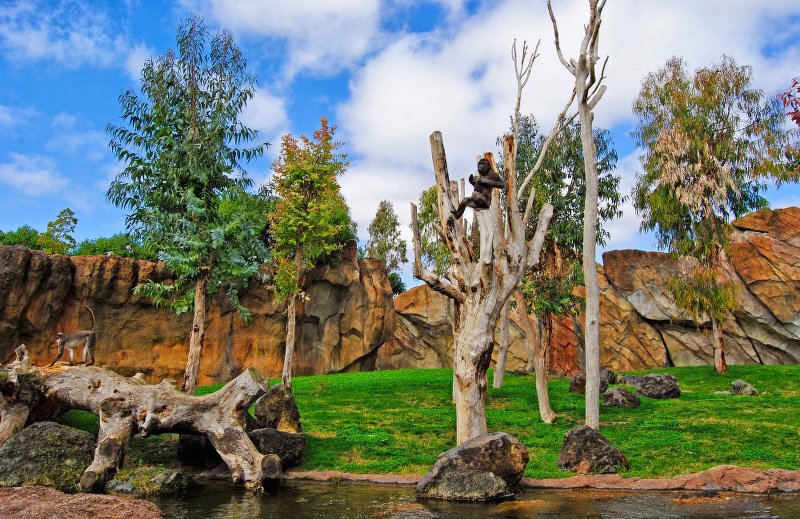
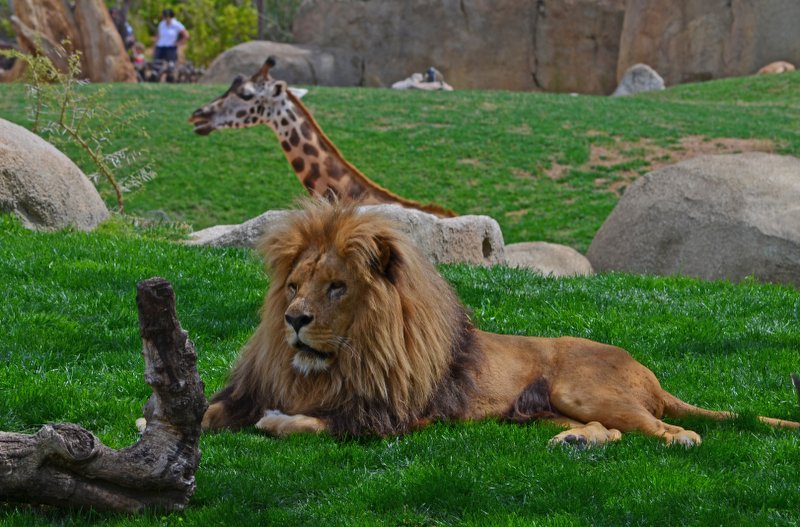
BIOPARC Valencia is a pioneer of the "zoo-immersion" concept, where natural barriers like rivers and rocks replace traditional cages. This design allows you to feel as though you have stepped directly into the African wilderness, providing unobstructed views of the animals in a landscape that mirrors their native habitats.
Close Encounters in the Madagascar Habitat
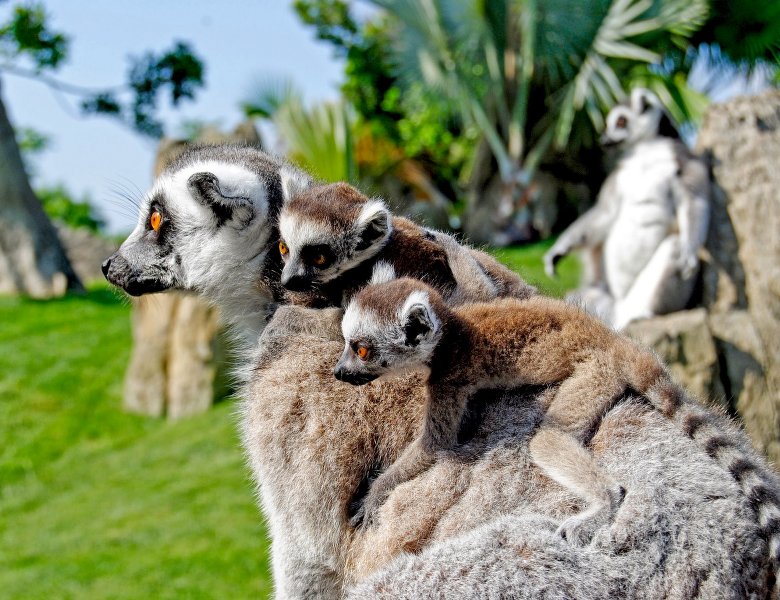
The Madagascar zone offers one of the most intimate wildlife experiences in Europe by allowing visitors to walk directly through a lemur enclosure. With no physical barriers between you and these curious primates, you can observe several different species of lemurs as they socialize and move freely across the visitor paths.
Underwater Views at Kitum Cave
The recreation of Kenya’s famous Kitum Cave provides a unique perspective on the African Wetlands, featuring large viewing windows into deep-water estuaries. It is the only place in Spain where you can watch Nile hippopotami and crocodiles swimming underwater, offering a rare look at their grace and power beneath the surface.
Live Educational Demonstrations
The park’s open-air amphitheater hosts "The Cycle of Life," a live educational exhibition that functions like a real-time nature documentary. During the presentation, various birds of prey and mammals demonstrate natural hunting and scavenging behaviors, highlighting the delicate balance of the African ecosystem.
Commitment to Endangered Species
Visiting BIOPARC supports vital conservation work, as the park is home to significant breeding groups of highly endangered species, including Western lowland gorillas and Baringo giraffes. The park's success in these international breeding programs makes it an essential destination for anyone interested in global biodiversity and wildlife preservation.
Additional Info
- Dining
- Souvenir Store
Interesting Facts about BIOPARC Valencia
The park is home to one of the most significant reproductive groups of Western lowland gorillas in Spain, contributing to the survival of this critically endangered species.
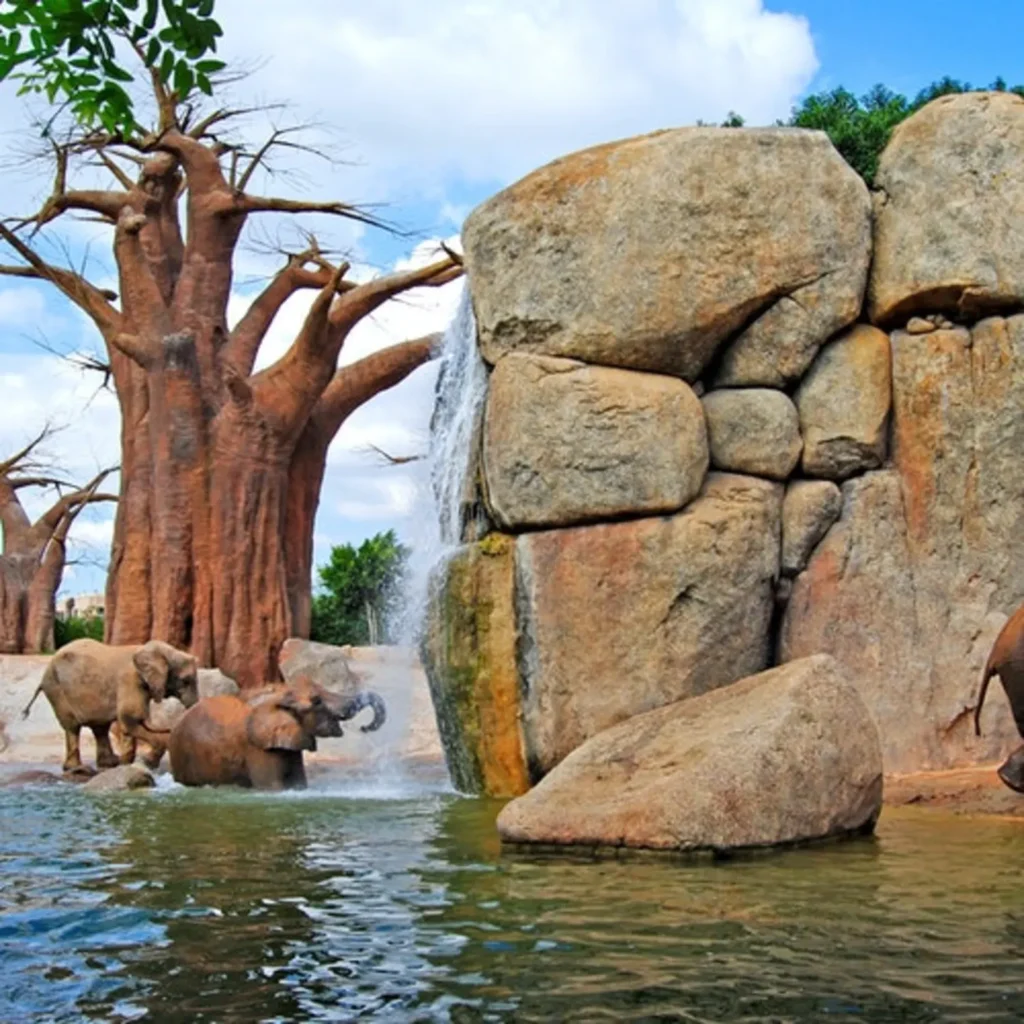
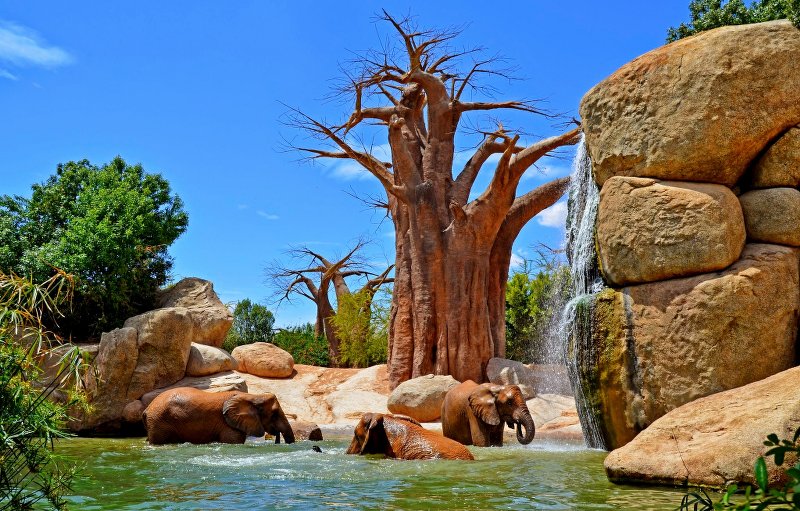
The massive Baobab trees seen throughout the Savannah landscape are intricate structural recreations designed to mirror the flora of the African continent.
BIOPARC Valencia functions as an open-air classroom where over 150 different animal species live in habitats designed to replicate their natural ecosystems.
The park features the only reconstruction of the African Kitum Cave in the world, allowing for underwater observation of hippopotami and crocodiles.
A massive bridge spanning the lake at the entrance serves as a symbolic transition from the urban environment of Valencia into the wild landscapes of Africa.
Many of the enclosures utilize multi-species cohabitation, meaning you can see different animals such as giraffes, antelopes, and birds interacting in the same space.
The Madagascar habitat is designed without physical barriers, allowing several species of lemurs to jump and walk freely among visitors on the designated paths.
The park uses a sophisticated biological water treatment system that recycles and purifies water to maintain the numerous estuaries and ponds throughout the site.
The Samburu restaurant offers a unique dining perspective where guests can eat while overlooking a panoramic view of the African savannah and its inhabitants.
The "Cycle of Life" exhibition in the amphitheater showcases the natural hunting and scavenging behaviors of birds and mammals without the use of artificial tricks.
More than 80 percent of the species housed within the park are included in international conservation programs due to their threatened status in the wild.
The architectural design avoids the use of visible fences or bars, instead employing hidden moats and steep rock walls to keep both animals and visitors safe.
Every rock and plant within the enclosures is carefully chosen or sculpted to provide the animals with the specific textures and environmental enrichment they need.
The park occupies 100,000 square meters of the Parque de Cabecera, which was once part of the original Turia riverbed before it was diverted.
The BIOPARC Foundation receives a portion of every ticket sold to fund habitat restoration and protection projects in Africa and Asia.