Discover Valencia’s Silk Legacy at the Heart of the City
This website offers official tickets for this venue. Please note, however, that it is not the official website of the venue.
Smartphone tickets
Why wait?
Instant confirmation
Flexible cancellation
A Living Story Woven into Valencia’s History
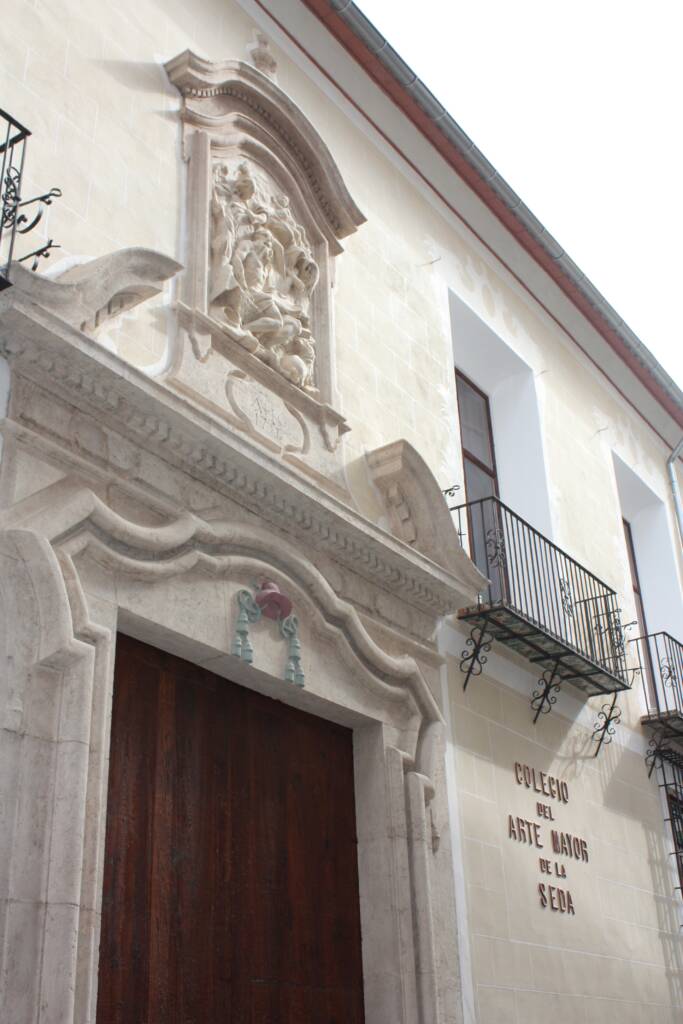
Located in a former guild house at the heart of the city, Museo de la Seda reveals how silk shaped Valencia’s economy, culture, and international influence for centuries. Through historic rooms, original documents, and carefully preserved spaces, the museum traces the rise of the silk trade from local craftsmanship to global exchange. Book your tickets in advance and include one of Valencia’s most meaningful heritage sites in your itinerary.
About the Museo de la Seda
Why Visit Museo de la Seda
Key chapter of Valencia’s history: Discover how silk production shaped the city’s economy, society, and international connections for centuries.
A historic guild building: Step inside the former headquarters of the Silk Guild, with preserved rooms and decorative details that reflect its past influence.
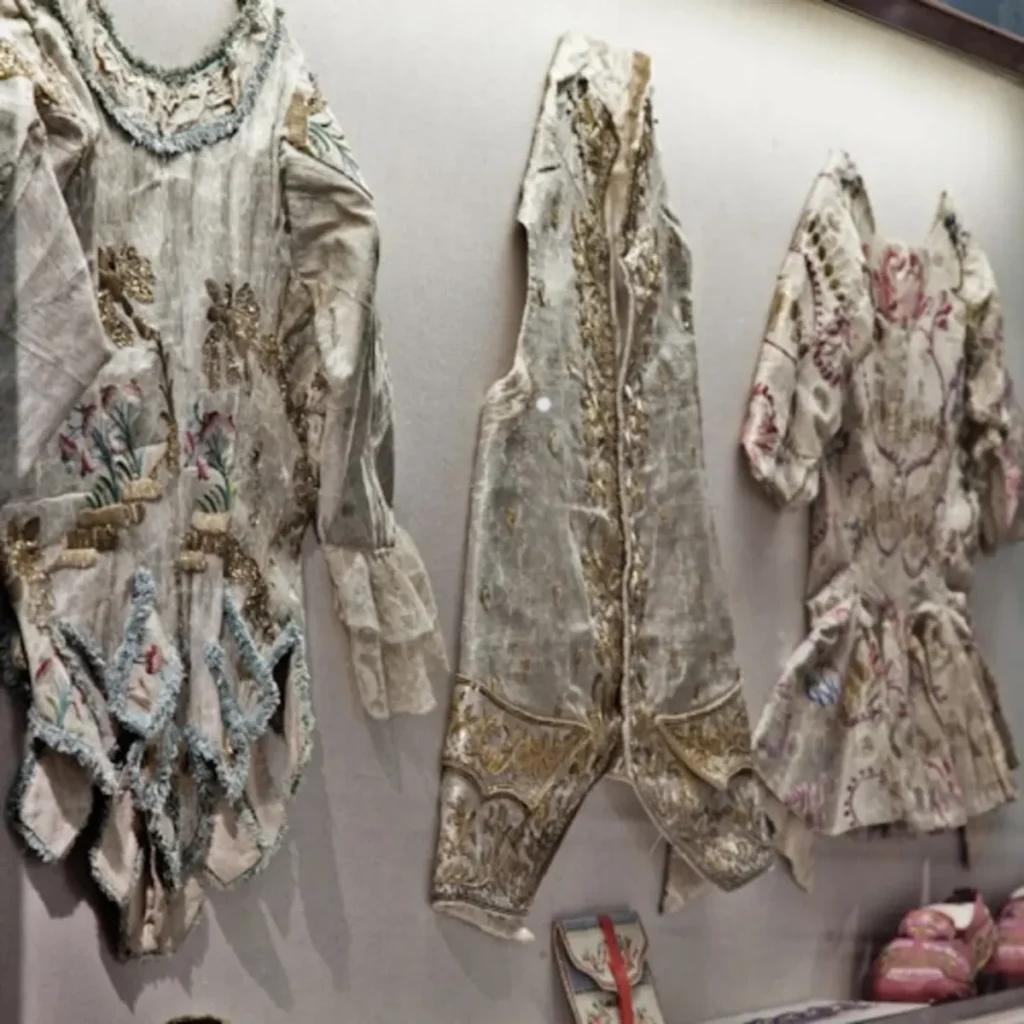
Clear, accessible storytelling: Learn how silk was made, regulated, and traded through original documents, tools, and well-curated spaces.
An essential cultural stop: Add meaningful context to your visit to Valencia with a museum closely linked to the city’s identity.
Easy to visit and well located: Centrally situated, the museum fits naturally into a day of sightseeing in the historic centre.
When to Visit Museo de la Seda
Where to Find Museo de la Seda
Address
Calle Hospital, 7
46001 Valencia, Spain
Plan Your Route
- On foot
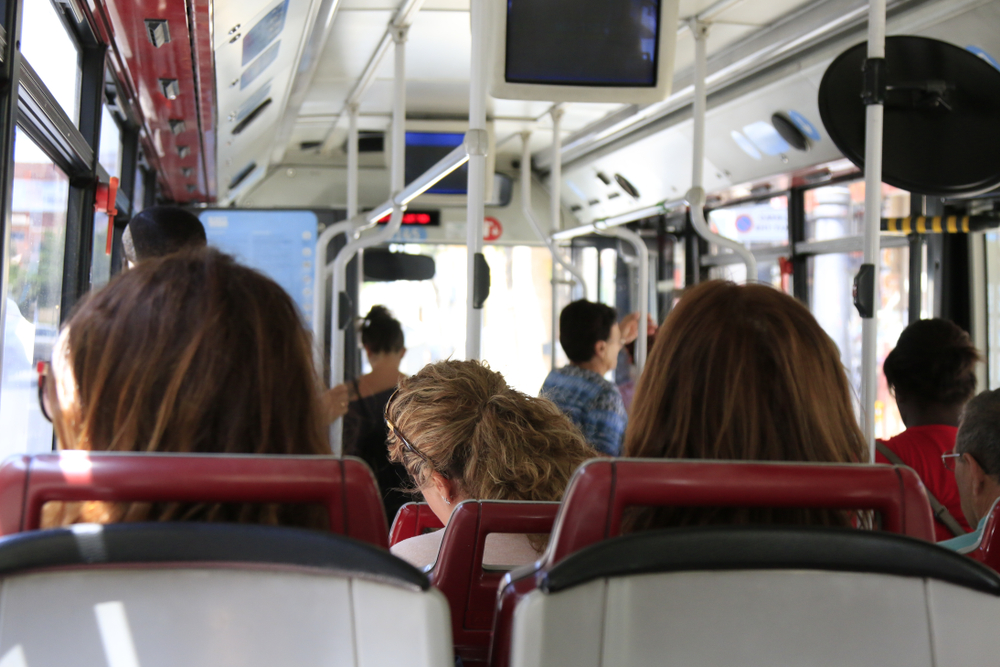
- By bus
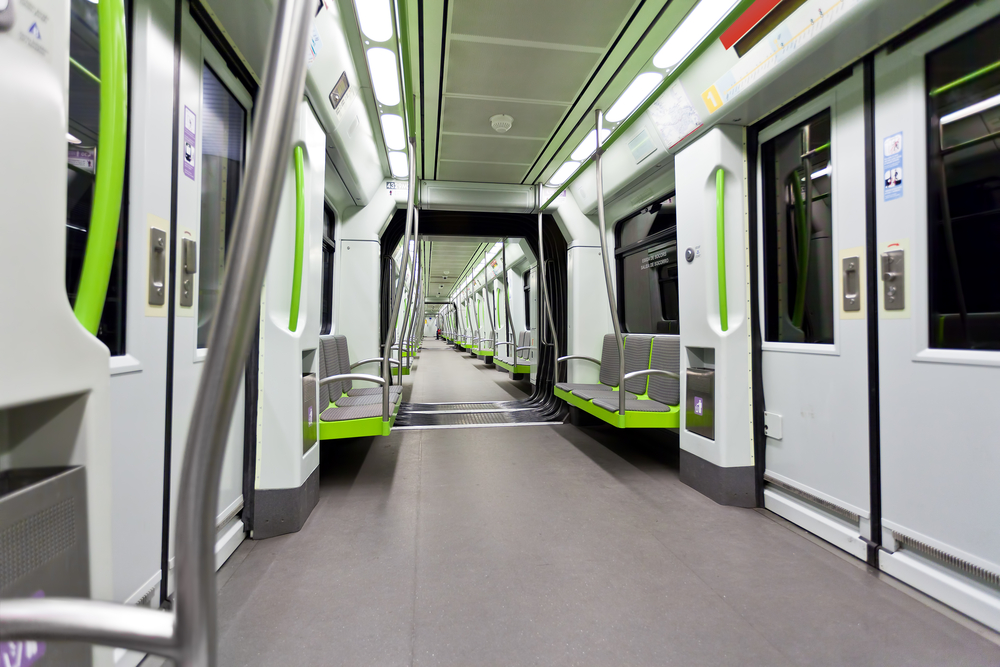
- By metro
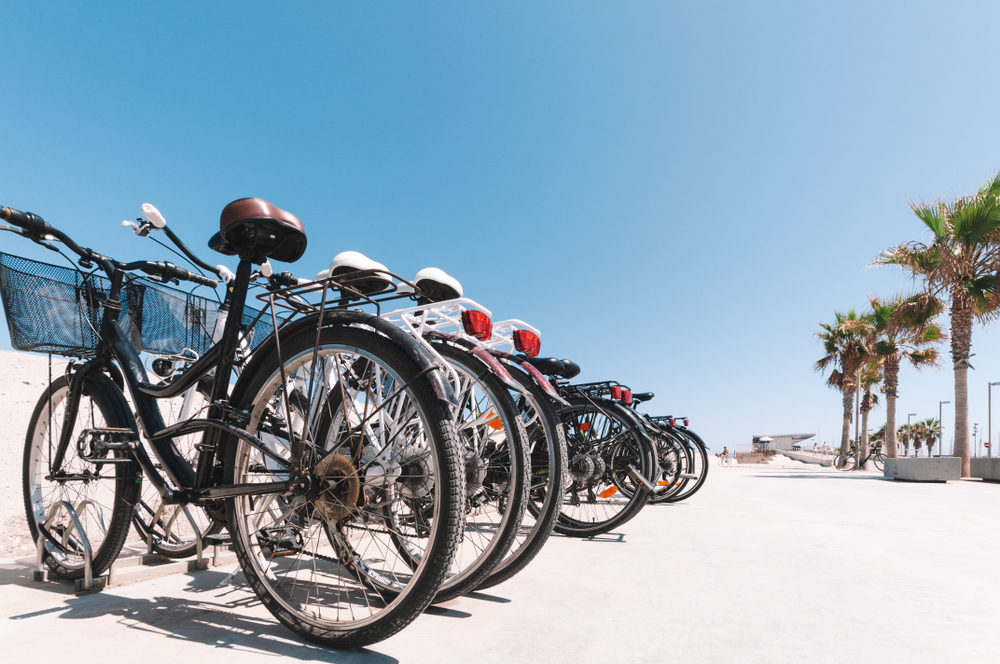
- By bike
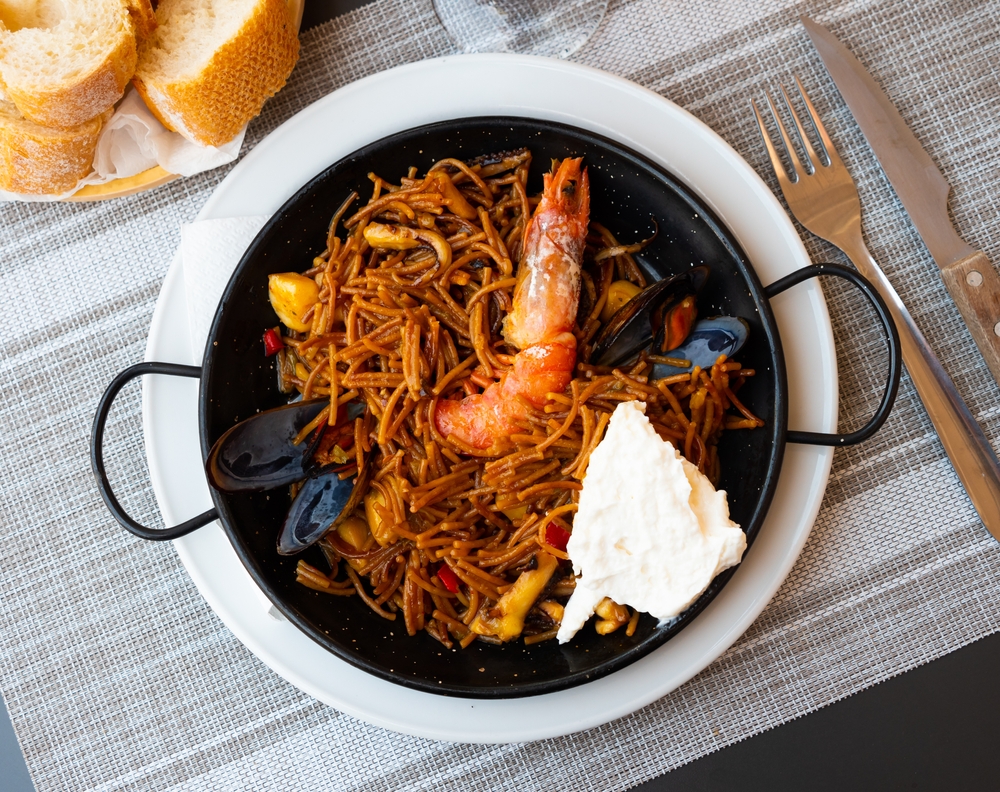
Dining Options Nearby
Accessibility Facilities

Know Before You Go
Plan a focused visit: Most visitors spend around one hour exploring the museum at a relaxed pace.
Book tickets in advance: Reserving ahead helps secure entry, especially during weekends and peak travel periods.
Historic building conditions: Some areas include stairs and uneven floors due to the age of the building.
Accessibility considerations: Parts of the museum are adapted, but full step-free access may not be available throughout.
Photography rules: Personal photography is usually allowed, though flash and tripods may be restricted.
Central location: The museum is easy to combine with nearby attractions such as the Central Market and the historic centre.