We are processing your request.
Please, don't close or refresh the page.
Home Museu De Les Ciencies

Museo de las Ciencias Príncipe Felipe: Tickets and Info

This website offers official tickets for this venue. Please note, however, that it is not the official website of the venue.
Smartphone tickets

Smartphone tickets

Everything you need, right in your pocket!
Why wait?

Why wait?

Skip the line and get priority access
Instant confirmation

Instant confirmation

Receive your tickets seconds after your purchase

Valencia Science Museum: Skip-The-Line Entrance Ticket

Highlights

Experience hands-on science exhibits that captivate both adults and children.

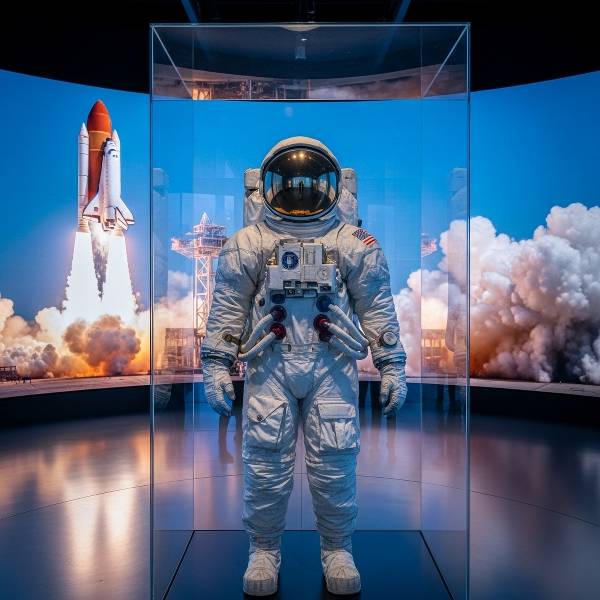
Explore diverse attractions such as dinosaur skeletons and a simulated International Space Station.

Enjoy a fun and educational journey at the iconic City of Arts and Sciences complex.

Avoid long waiting times with priority entry using your smartphone ticket.

Discover unique features like ant colonies, sound experiments, and much more.

Good to Know before Visiting Museo de las Ciencias Príncipe Felipe

Tickets are specific to the date selected, so it is advisable to confirm your travel plans before finalizing your purchase.

You must keep your physical or digital ticket with you at all times, as it is required to pass through turnstiles when moving between different floors.

The museum follows a strict “no food or drink” policy inside the exhibition galleries to protect the interactive equipment and displays.

If you plan to visit the Science Theater or participate in specific workshops, check the daily schedule upon arrival as these sessions have limited capacity.

The building is exceptionally large, so wearing comfortable walking shoes is highly recommended for navigating the three floors of exhibits.

Lockers are available for a small fee near the entrance for storing backpacks, umbrellas, and large items that are not permitted in the galleries.

While the museum is suitable for all ages, most interactive exhibits are designed for children aged seven and older to ensure they can understand the concepts.

Photography for personal use is permitted throughout the museum, but the use of flash, tripods, or professional equipment is generally restricted.

Combined tickets are available if you intend to visit the neighboring Oceanogràfic or Hemisfèric, offering a significant discount compared to buying individual entries.

The museum is fully cashless at many service points, so ensure you have a credit or debit card for onsite purchases at the shop or cafeteria.

Essential Visitor Info

Museo de las Ciencias Príncipe Felipe (Google Maps)

The museum is open every day, though operating hours fluctuate based on tourist season.

The museum opens every day at 10 AM.

Low season (from 02 Jan to 30 June and from 17 Sep to 30 Dec): Typically closes at 7 PM.

High season (from 1 Jul to 16 Sep): Typically closes at 9 PM.

About Museo de las Ciencias Príncipe Felipe

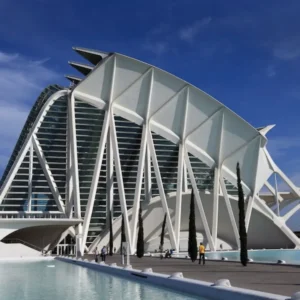
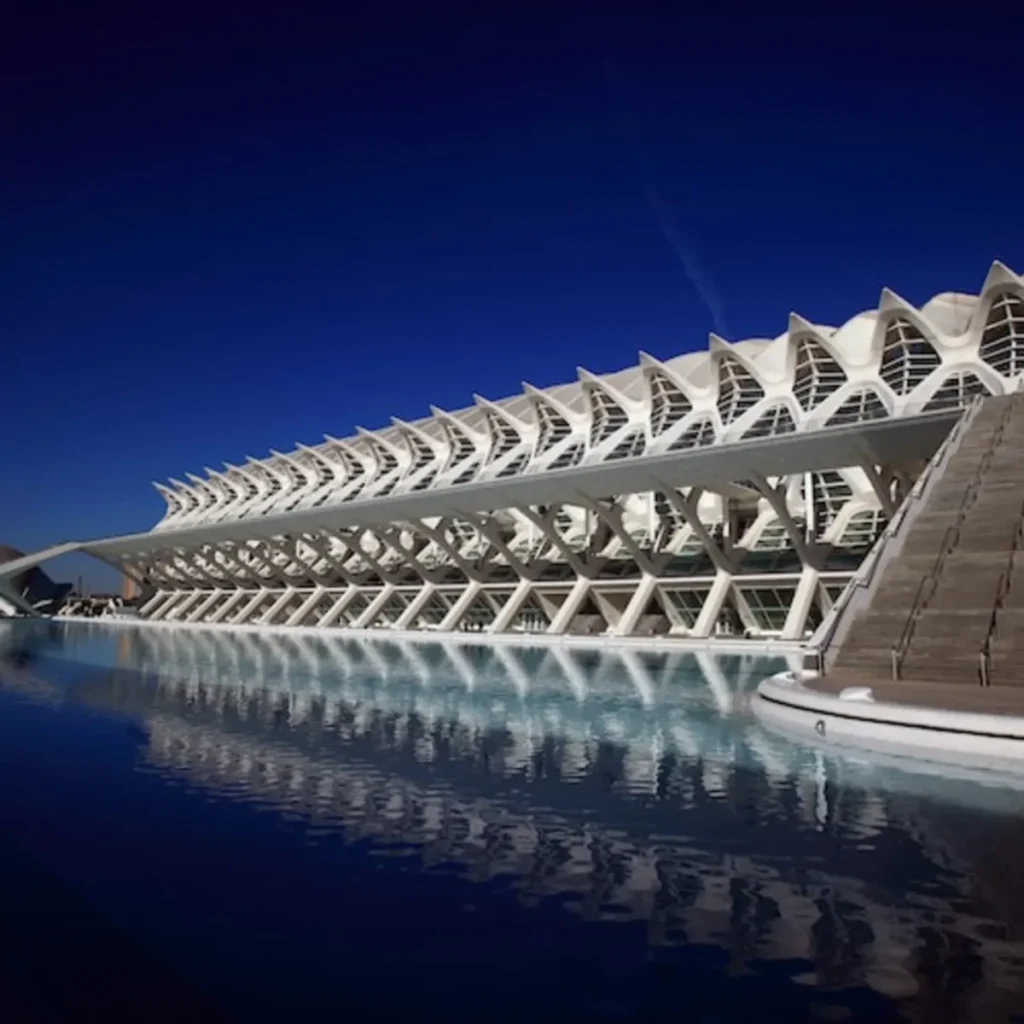
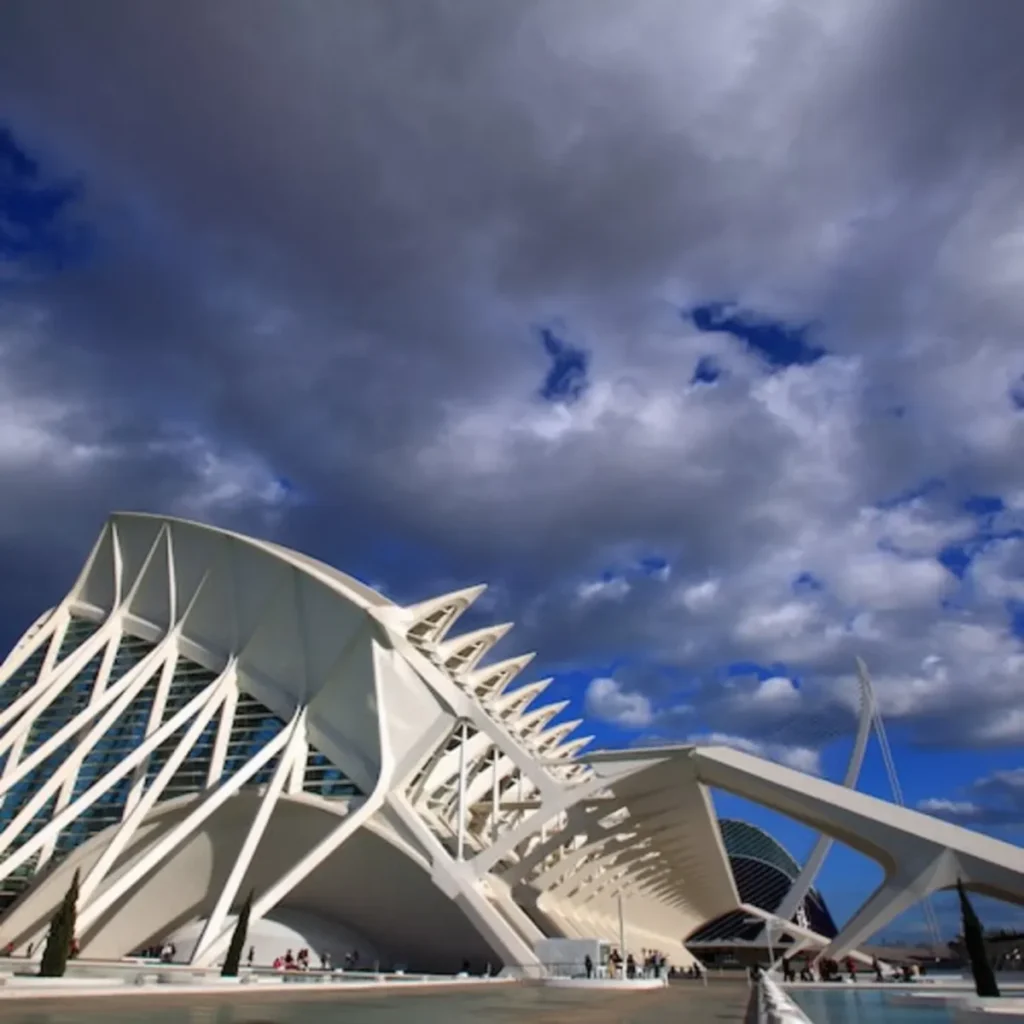
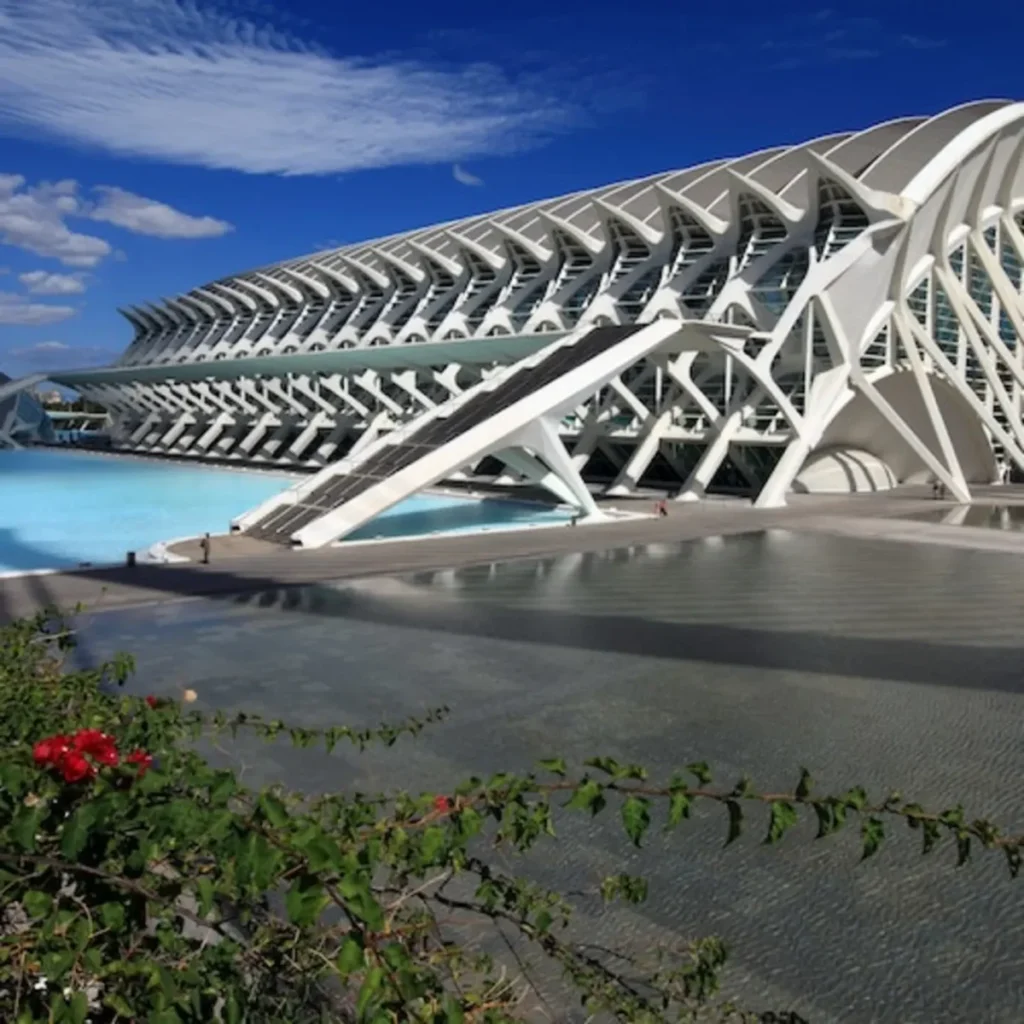
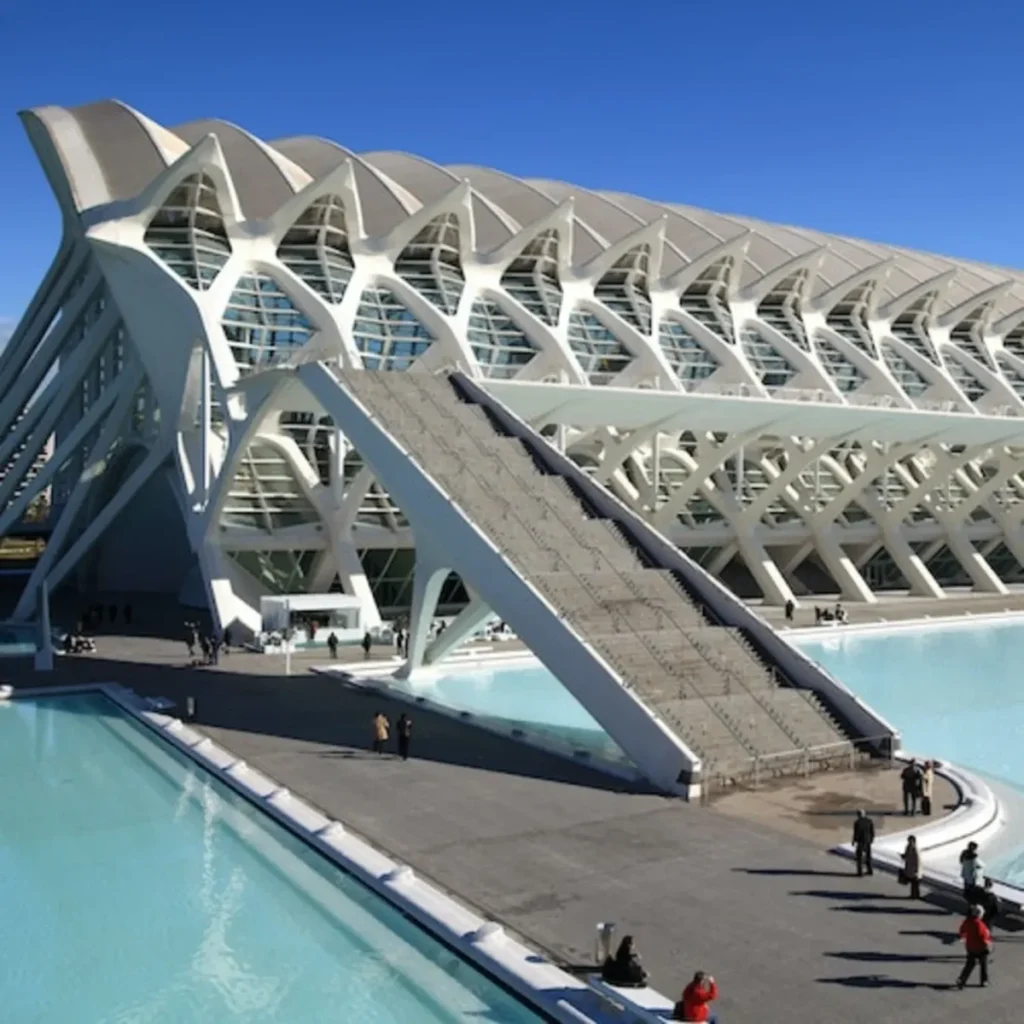
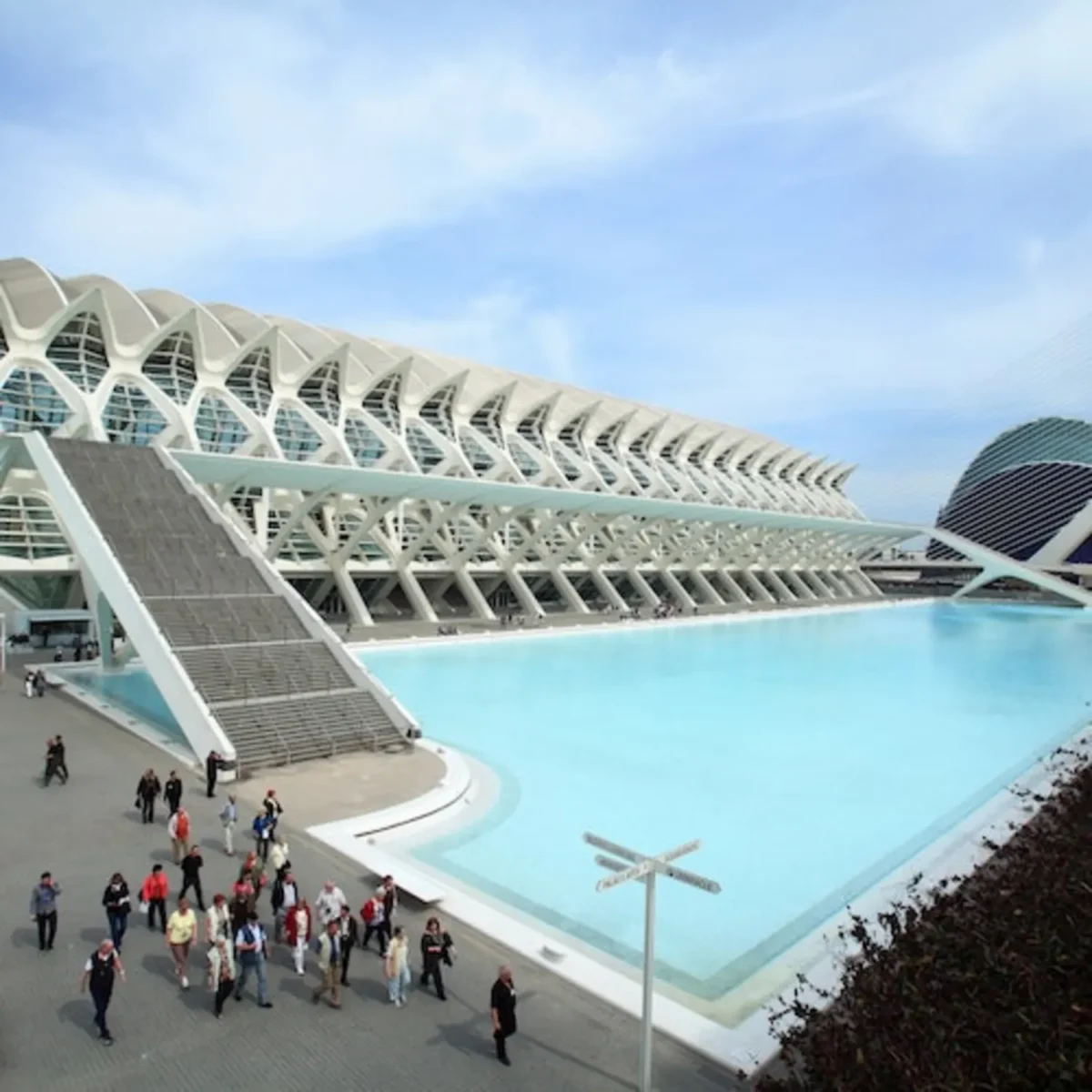
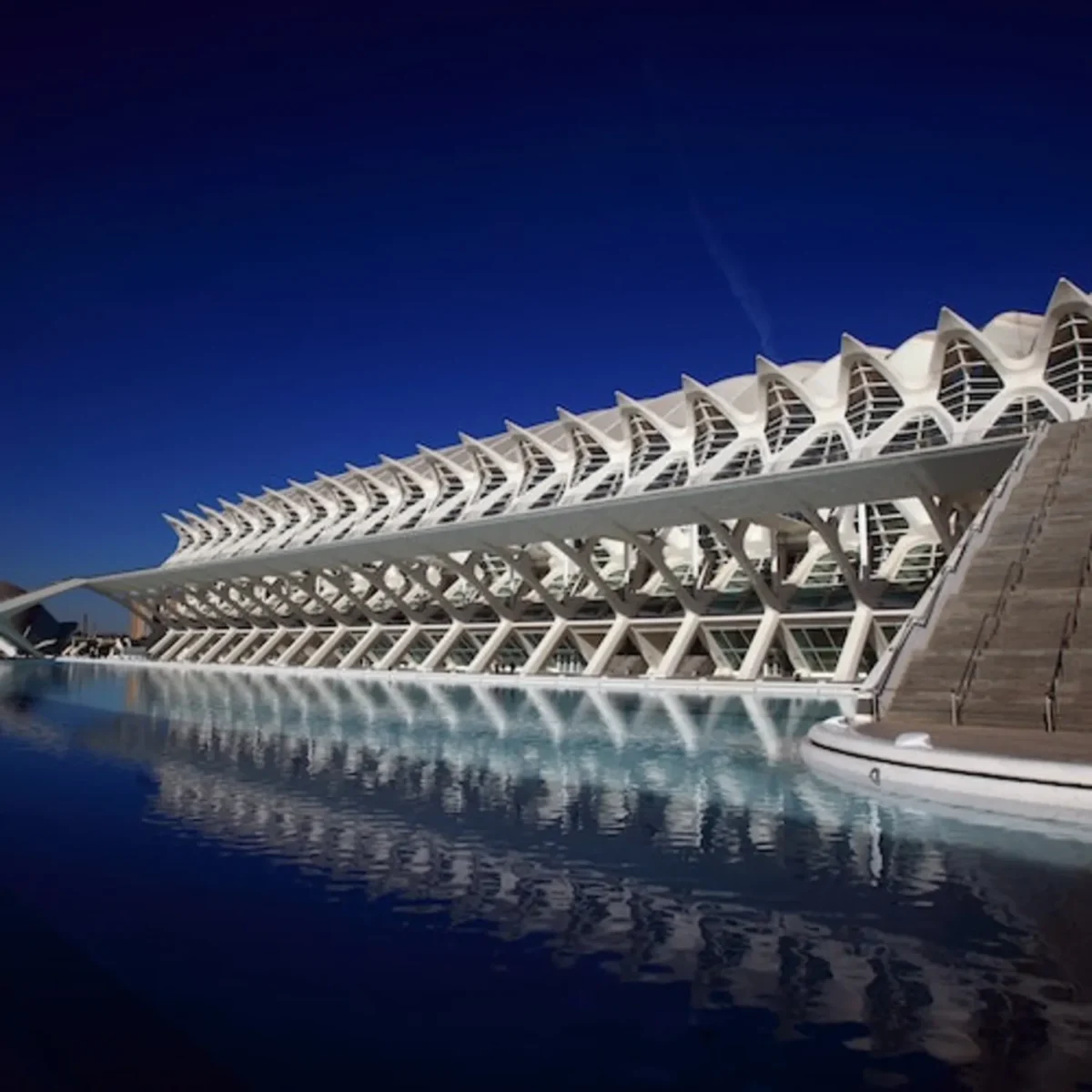
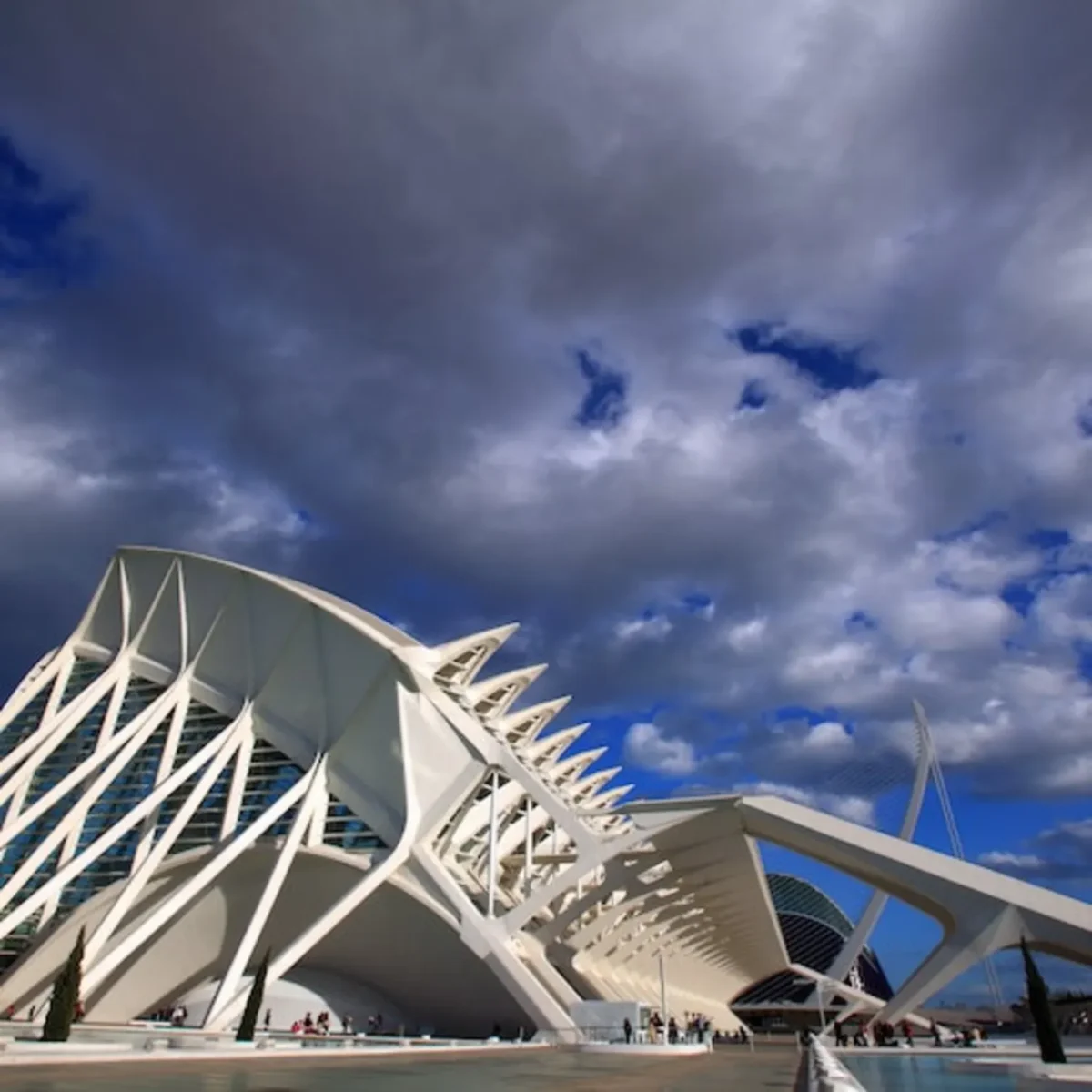
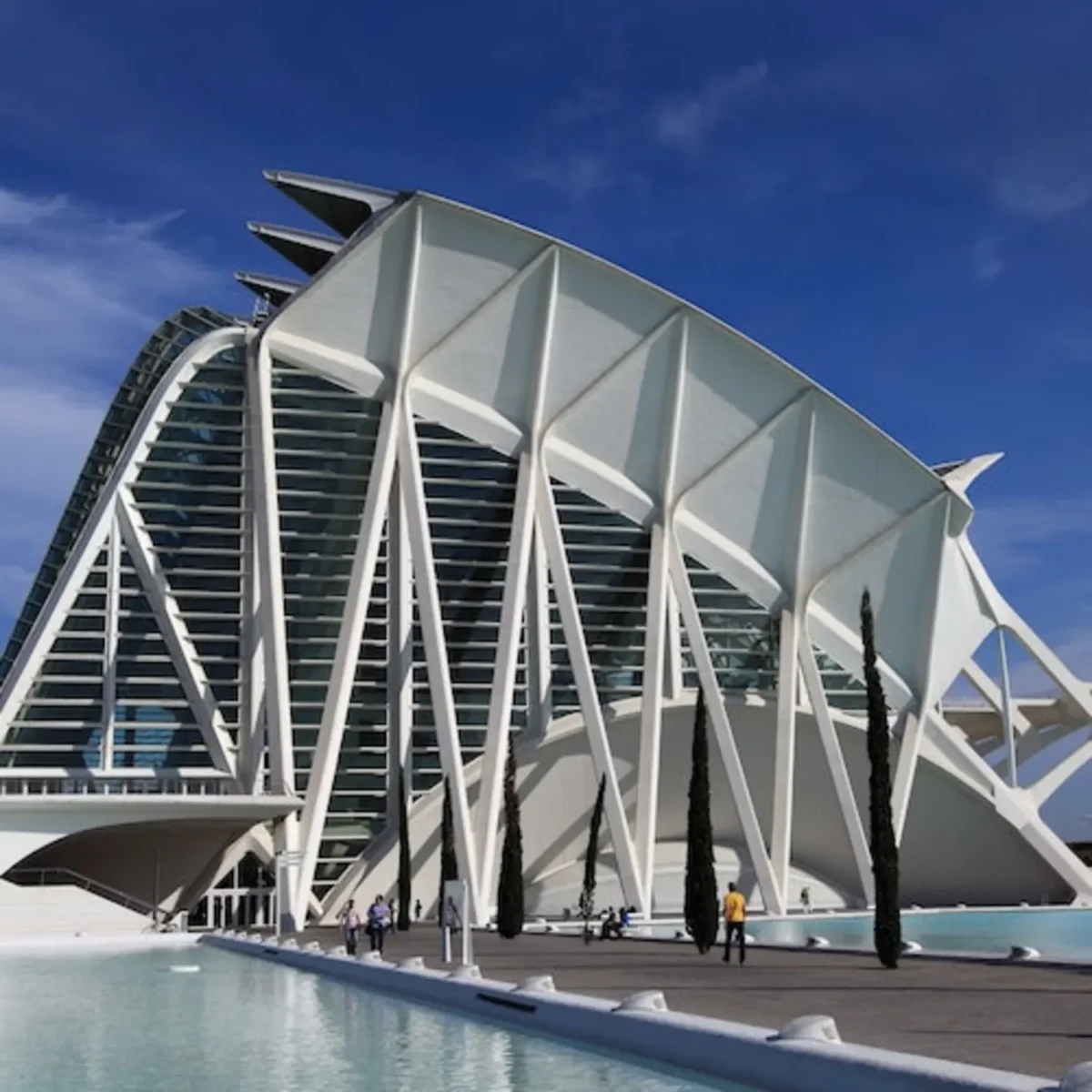
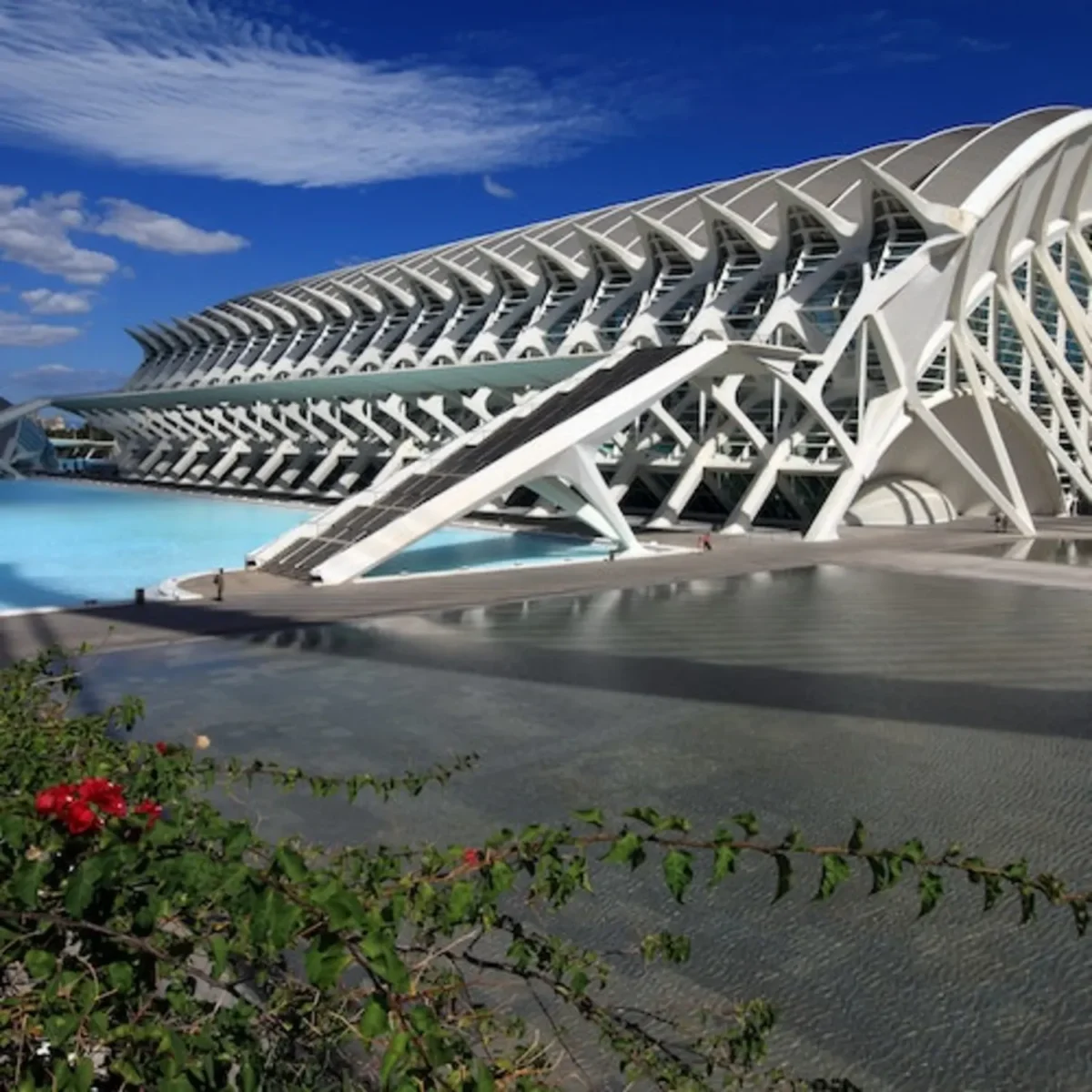
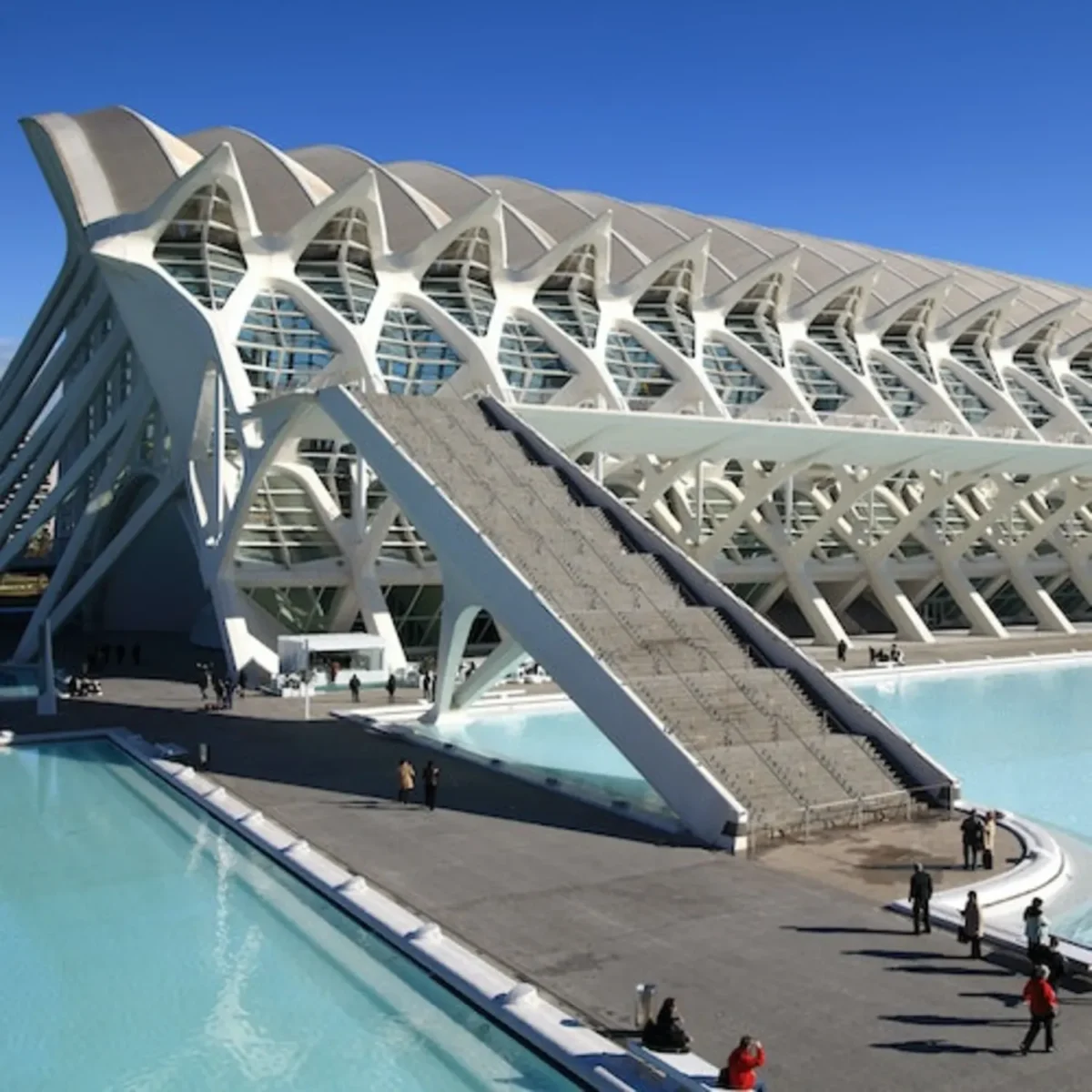
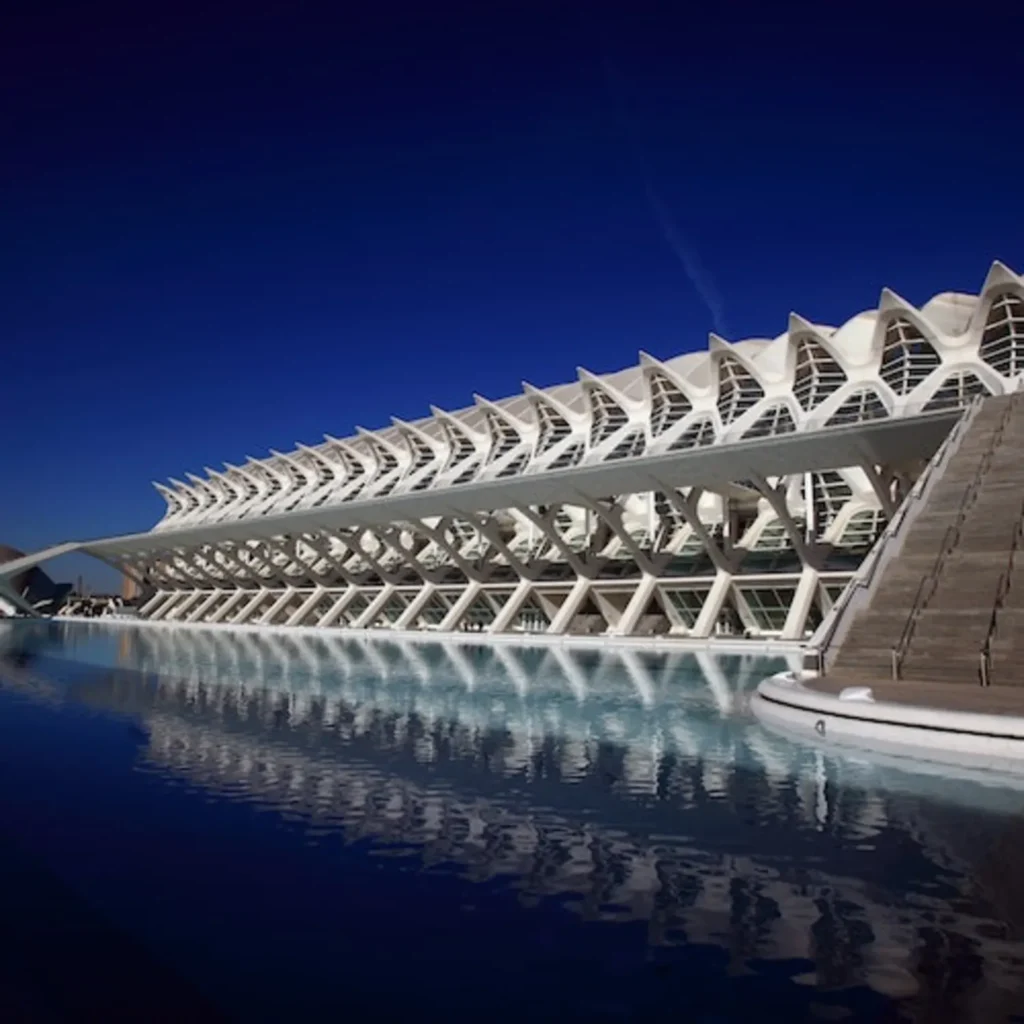
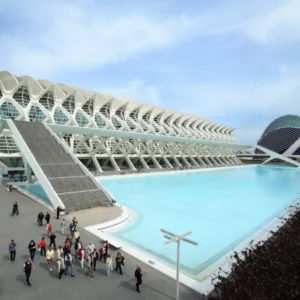
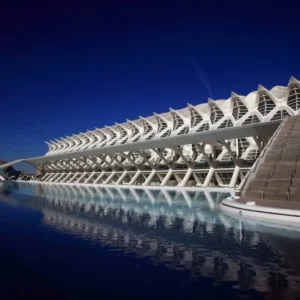
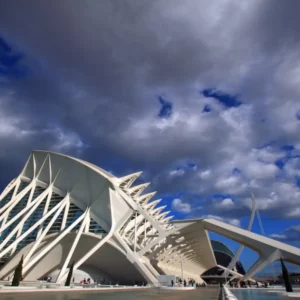
The Museo de las Ciencias Príncipe Felipe stands as a premier science museum in Valencia, Spain, dedicated to fostering a deeper understanding of science and technology. Situated within the iconic City of Arts and Sciences complex, this museum draws visitors with its innovative interactive exhibits and striking architectural design, inspired by the skeleton of a whale.

Since its establishment in 2000, the museum has been committed to engaging audiences of all ages through hands-on experiences that make learning about scientific principles both accessible and enjoyable.

Architect: Santiago Calatrava

Inauguration Date: November 13, 2000

Exhibition Space: 26,000 square meters

Why Visit the Museo de las Ciencias Príncipe Felipe?

Interactive Scientific Discovery

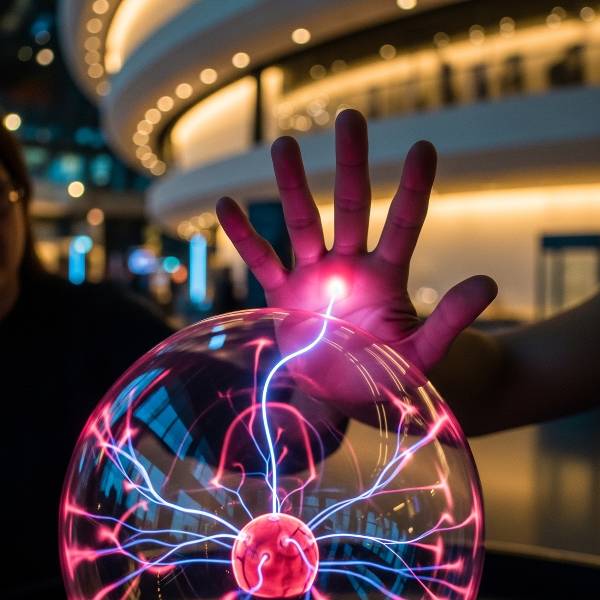
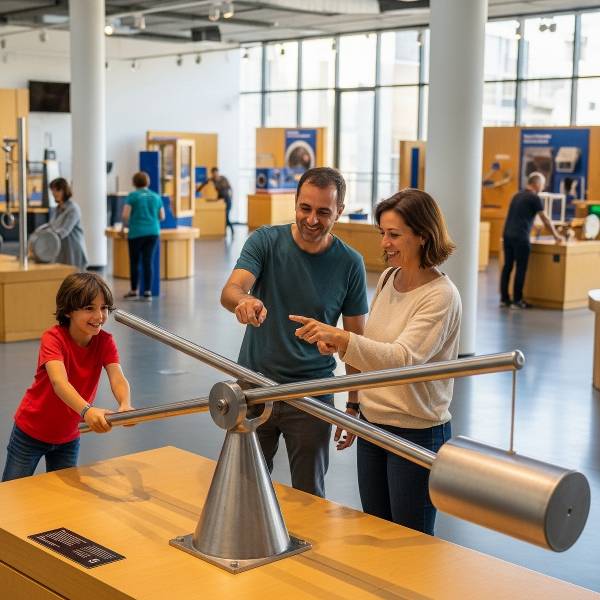
The museum operates under the motto "forbidden not to touch," encouraging visitors to learn through direct interaction with physical experiments. Unlike traditional museums, this space prioritizes hands-on engagement with various scientific principles, making complex topics accessible to people of all ages.

Iconic Contemporary Architecture

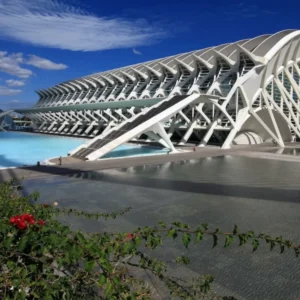
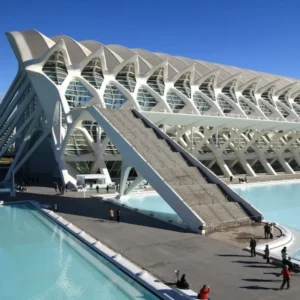
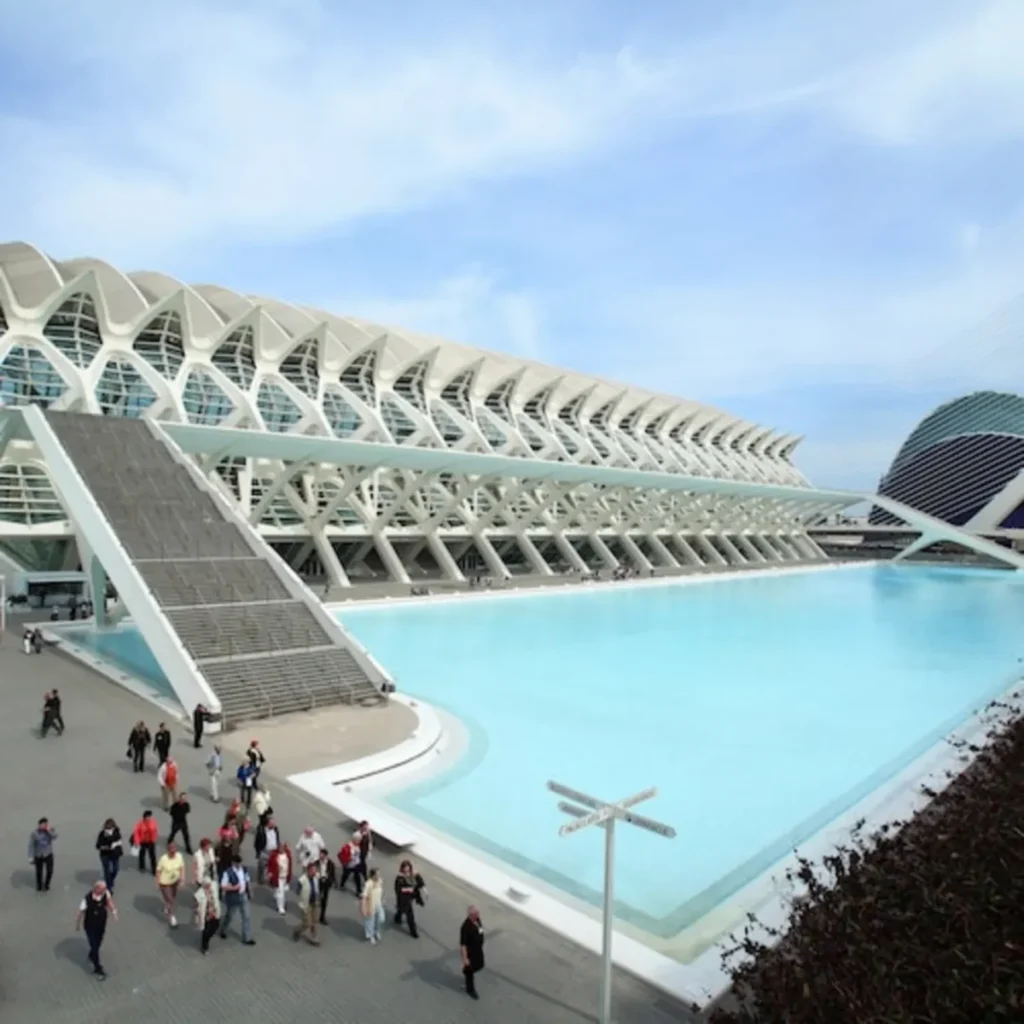
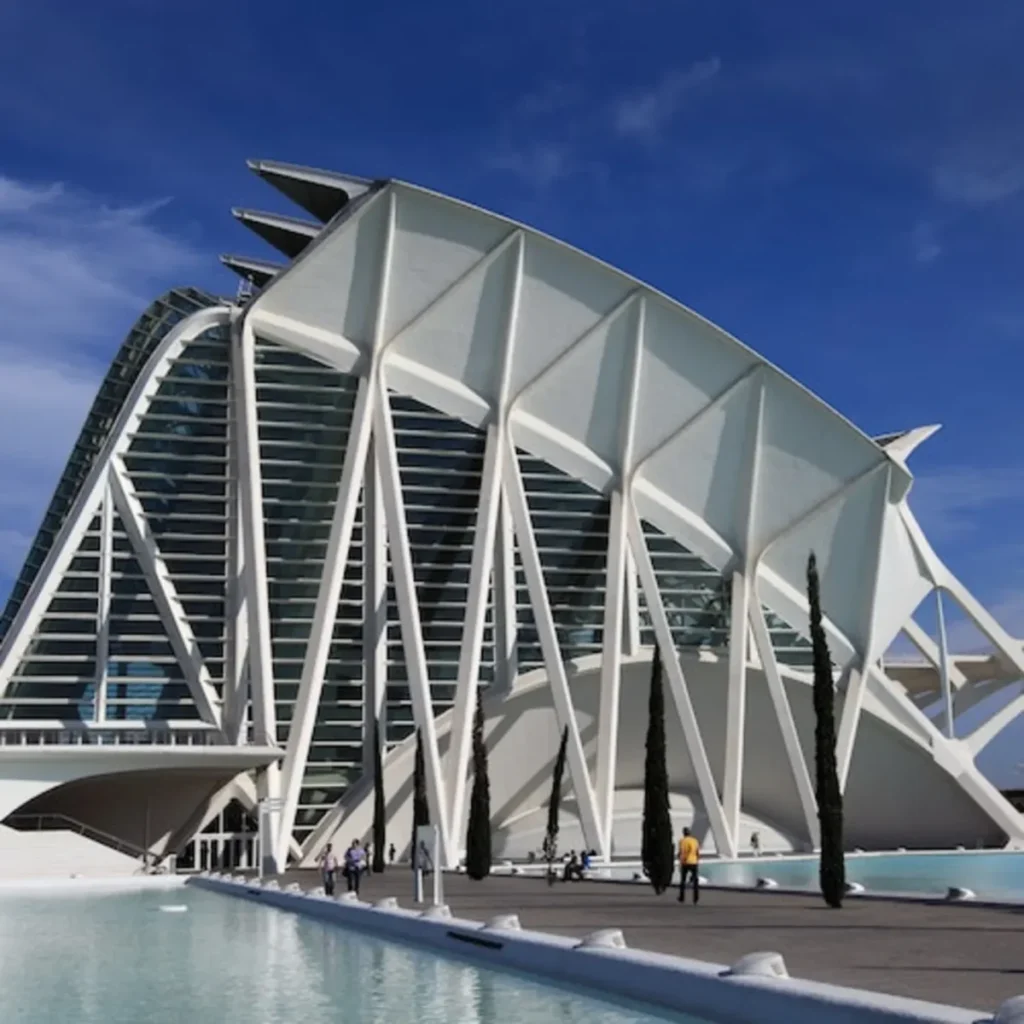
Designed by Santiago Calatrava, the building itself is a centerpiece of the City of Arts and Sciences. Its structural design resembles the skeleton of a whale, offering a vast interior space that integrates natural light and innovative geometry, making it a landmark for modern architecture enthusiasts.

The Legacy of Nobel Laureates

The "Santiago Ramón y Cajal" exhibition provides an in-depth look at the life and work of the Spanish Nobel Prize winner in Medicine. This section explores the foundations of modern neuroscience through original drawings, instruments, and personal artifacts that detail the evolution of brain research.

Exploration of Space and the Universe

The museum features extensive exhibits dedicated to space exploration and the laws of physics that govern the cosmos. Visitors can explore a representation of the International Space Station and participate in simulations that explain the challenges of life beyond Earth.

Biodiversity and DNA Research

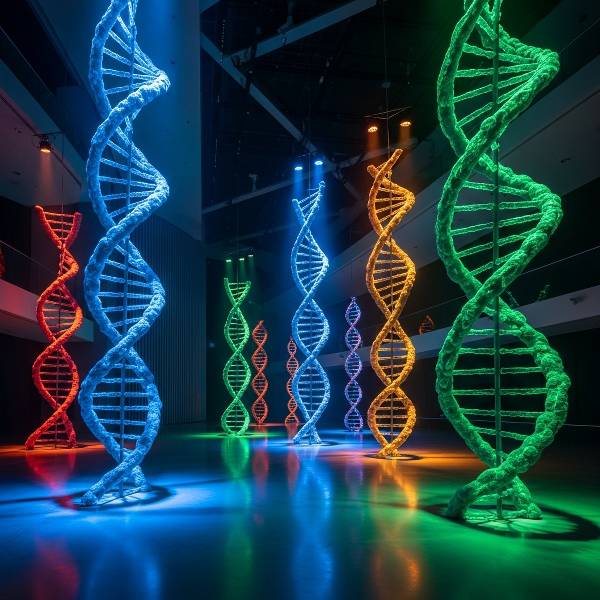
Dedicated areas focus on the building blocks of life and the importance of ecological preservation. Through large-scale models and interactive displays, visitors can visualize the structure of DNA and learn about the diverse ecosystems that the museum works to document and protect.

Additional Info

Museo de las Ciencias Príncipe Felipe (Google Maps)

The museum offers on-site dining options designed to accommodate different schedules and appetites.

The main cafeteria serves a variety of Mediterranean-inspired dishes, including sandwiches, salads, and hot meals, with indoor and outdoor seating available. For those seeking a quick refreshment, there are vending machines and smaller snack points located within the building that provide coffee, cold drinks, and light snacks.

The dining areas are positioned to offer views of the surrounding Turia Gardens and the complex’s reflecting pools. While the museum's internal options are convenient for a midday break, the surrounding City of Arts and Sciences area also features various restaurants within walking distance.

Visitors are reminded that food and drinks are not permitted inside the exhibition galleries to protect the interactive displays.

Interesting Facts about Museo de las Ciencias Príncipe Felipe

The building's structural design is inspired by the skeleton of a whale and occupies a footprint of over 40,000 square meters.

Architect Santiago Calatrava designed the museum without a single right angle on its exterior to reflect the fluid forms found in nature.

The museum operates under the strict philosophy that it is "forbidden not to touch, not to feel, and not to think" regarding its exhibits.

The massive glass facade consists of over 4,000 panes of glass, allowing natural light to illuminate the vast interior halls throughout the day.

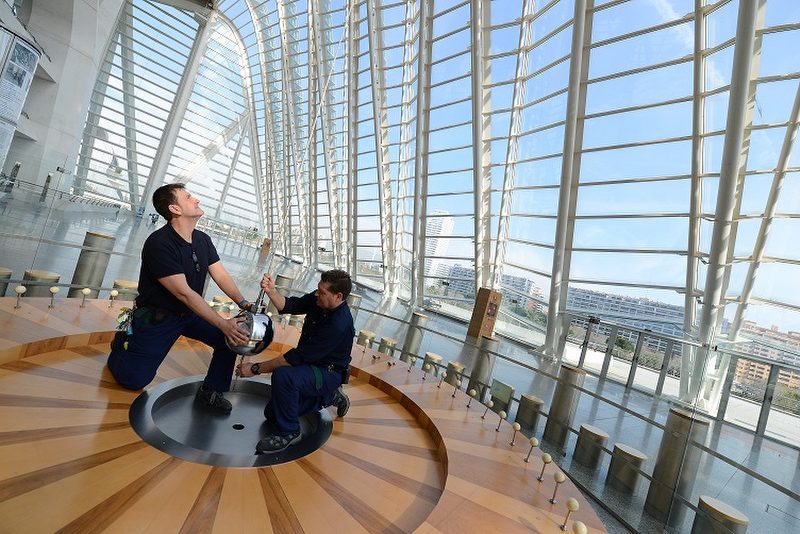
On the first floor, the Foucault Pendulum is one of the longest in the world, measuring 34 meters in length to demonstrate the Earth's rotation.

The Chromosome Forest features 46 large-scale sculptures representing the human genome, standing at a height that mirrors the scale of the building.

The museum’s white concrete and shimmering pools are designed to reflect the Mediterranean sun, a hallmark of the City of Arts and Sciences aesthetic.

There are over 26,000 square meters of exhibition space, making it one of the largest science museums in Europe.

The "Space Academy" section provides visitors with a simulated experience of a trip to the International Space Station using realistic modules.

The building's roof is supported by five massive concrete arches that distribute the weight without the need for traditional internal columns.

It serves as an important venue for the "Santiago Ramón y Cajal" exhibition, which honors Spain’s pioneer of modern neuroscience and Nobel laureate.

The museum sits within the former riverbed of the Turia River, which was diverted in the 1960s to prevent city flooding.

The "Zero Gravity" exhibit was developed in collaboration with the European Space Agency to explain how satellites observe our planet.

The structure is surrounded by 13,500 square meters of water mirrors that act as a cooling system for the surrounding plaza.

Each year, the venue hosts the "Science Stage," a series of live demonstrations where viewers can witness chemical reactions and physical phenomena in real time.

FAQs about Museo de las Ciencias Príncipe Felipe

What is the architectural significance of the museum building?

The structure was designed by Santiago Calatrava to resemble a whale skeleton and features no right angles on its exterior. It is considered a masterpiece of biomimetic architecture and a landmark of modern Valencia.

What does the museum's motto "forbidden not to touch" mean?

This philosophy encourages visitors to engage physically with experiments rather than just observing them. It is designed to make scientific learning an active, sensory experience for all ages.

How large is the exhibition space inside the museum?

The museum covers a total built surface area of 42,000 square meters, with 26,000 square meters dedicated to scientific exhibits. This makes it one of the largest science museums in Europe.

What can I see in the Chromosome Forest?

This permanent exhibition features 46 large-scale sculptures representing the human genome. It allows visitors to visualize the building blocks of life through interactive modules.

Who is the Santiago Ramón y Cajal exhibition dedicated to?

This section honors the Spanish Nobel laureate considered the father of modern neuroscience. It displays original scientific drawings and artifacts that detail his pioneering research on the brain.

What is the significance of the Foucault Pendulum on the first floor?

At 34 meters long, it is one of the longest pendulums in the world and serves as a physical proof of the Earth's rotation. Visitors can watch it knock over small pins as the planet moves beneath it.

Is the museum built on a specific historical site?

The museum is located within the former bed of the Turia River, which was diverted following a major flood in 1957. The area has since been transformed into a massive urban park and cultural complex.

Can I enter and leave the museum on the same day?

Yes, your ticket allows for re-entry throughout the day, provided you keep it with you to scan at the turnstiles. This is helpful if you wish to eat outside the complex or visit the nearby gardens.

Is there a discount for visiting multiple attractions in the complex?

Combined tickets are available that include the Oceanogràfic and Hemisfèric, offering a lower total price than buying individual entries. These tickets can be used over one, two, or three consecutive days.

Is the museum accessible for wheelchair users?

The entire facility is barrier-free, featuring wide corridors, ramps, and large-capacity elevators connecting all three floors. Wheelchairs are also available for loan at the information desk with a valid ID.

Are there storage facilities for heavy bags or umbrellas?

Small lockers are available for a fee near the entrance to store items that are not permitted in the galleries. Please note that the museum cannot accommodate large suitcases or bicycles.

Can I pay with cash at the cafeteria or gift shop?

The museum has moved toward a cashless system at many service points, so carrying a credit or debit card is highly recommended. Some automated kiosks and shops may only accept digital payments.

What happens if I arrive late for my selected date?

Tickets are date-specific and typically non-refundable, so it is important to visit on the day printed on your ticket. You should arrive at least an hour before closing to ensure enough time to see the main galleries.

Is photography allowed inside the exhibitions?

Personal photography without flash is permitted in most areas, but professional equipment like tripods is restricted. Photography is a great way to document the unique architecture and interactive displays.

This website sells official tickets for this venue. Please note, however, that it is not the official website of the venue.
The images and videos on this website may contain visual elements that have been created or enhanced using AI technology. They are provided for illustrative purposes only.